

An Analysis of Air Laws in Military

Updated: Nov 10, 2022
- Saloni Gulhane

Top Gun (1986) is a classic. It is a complete package with thrilling scenes and iconic dialogues. But it showcases various laws being casually broken, and in true Hollywood style, no one is prosecuted. Here are a few events from the movie that would turn out differently in real life. The infamous scene in which “Maverick” inverts his aircraft right above the enemy aircraft to mock the enemy. By doing so, he’s actually committing a major crime. The first crime falls under 10 U.S.C § 910 (a), which states that “Any person subject to this chapter who, wilfully and wrongfully, hazards or suffers from being hazarded any vessel or aircraft of the armed forces shall be punished by death or such other punishment as a court-martial may direct.” By inverting the aircraft so close to the enemy aircraft, he risks a crash between them. Maverick commits the same crime when he takes off again from the base instead of landing at the base, knowing that the aircraft has very less fuel in order. He originally did so because he wanted to help a fellow pilot land. Even though the act was in good faith, he still would be held liable.
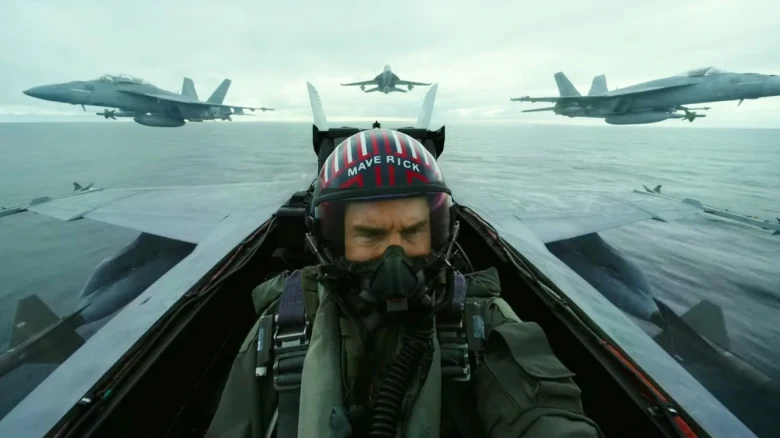
Additionally , when he takes off the base instead of landing, which was what was instructed to him by a superior, he violates UCMJ Article 90. Any person subject to this chapter who wilfully disobeys a lawful command of that person’s superior commissioned officer shall be punished—
(1) if the offence is committed in time of war, by death or such other punishment as a court-martial may direct; and
(2) if the offence is committed at any other time, by such punishment, other than death, as a court-martial may direct.
Both these offences could result in a death sentence if they were to be committed at the time of war.


Comments